How Wine Festivals Began in Europe
Learn how wine festivals began in Europe, from ancient Greek and Roman celebrations to medieval harvest traditions and modern wine tourism.
Date: 01/30/2026
The Origins of Wine Festivals in Europe
Wine festivals in Europe began long before the modern era of tourism, public tastings, and large cultural events. Their origins reach back thousands of years to a time when wine was deeply connected to religion, agriculture, and community life. What began as sacred and seasonal celebrations gradually evolved into some of the most enduring and influential wine traditions in the world.
Europe’s wine festival heritage is shaped by more than wine itself. It reflects the history of the vineyard, the rhythm of the harvest, and the identity of the regions that built their culture around winemaking.
Ancient Greece and Rome: Where the Tradition Began
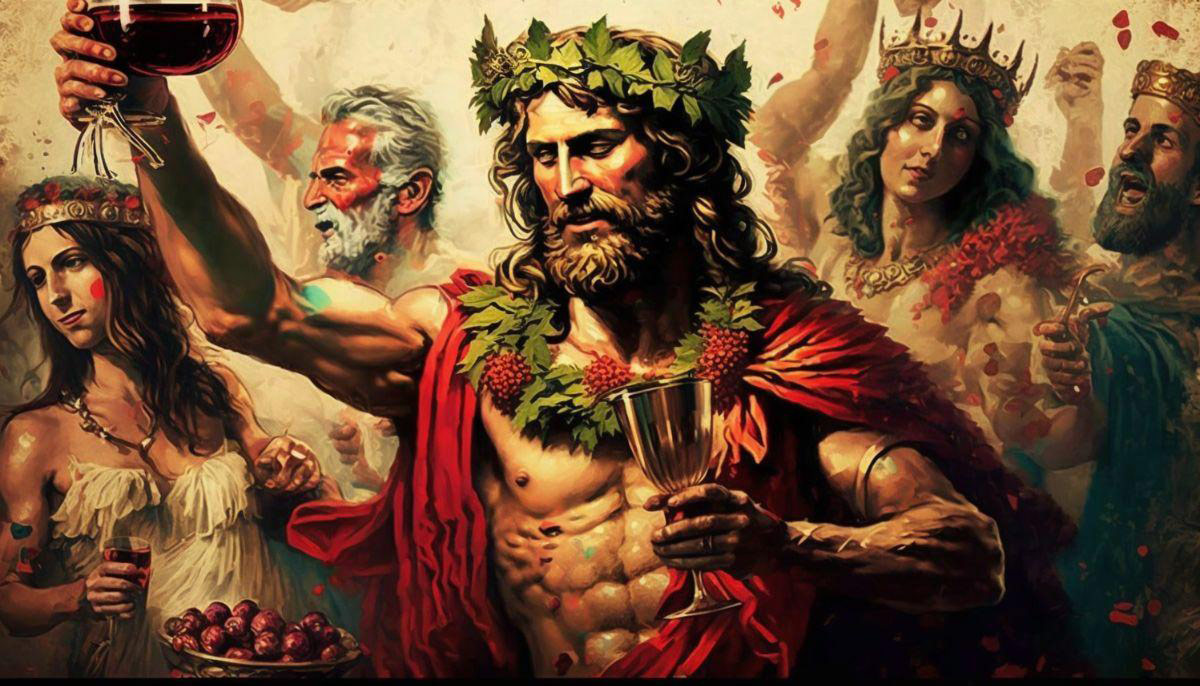
The earliest roots of wine festivals in Europe can be found in ancient Greece, where wine held both cultural and spiritual significance. Celebrations dedicated to Dionysus, the god of wine, fertility, festivity, and theater, brought communities together through wine, music, performance, and ritual. These gatherings were among the first organized expressions of wine as a symbol of joy, abundance, and shared experience.
In ancient Rome, similar traditions emerged through festivals honoring Bacchus, the Roman counterpart to Dionysus. Wine was central to feasts, ceremonies, and public life, and these celebrations helped establish a lasting link between wine and collective festivity. Even at this early stage, wine was more than a drink. It was part of social identity, agricultural prosperity, and cultural expression.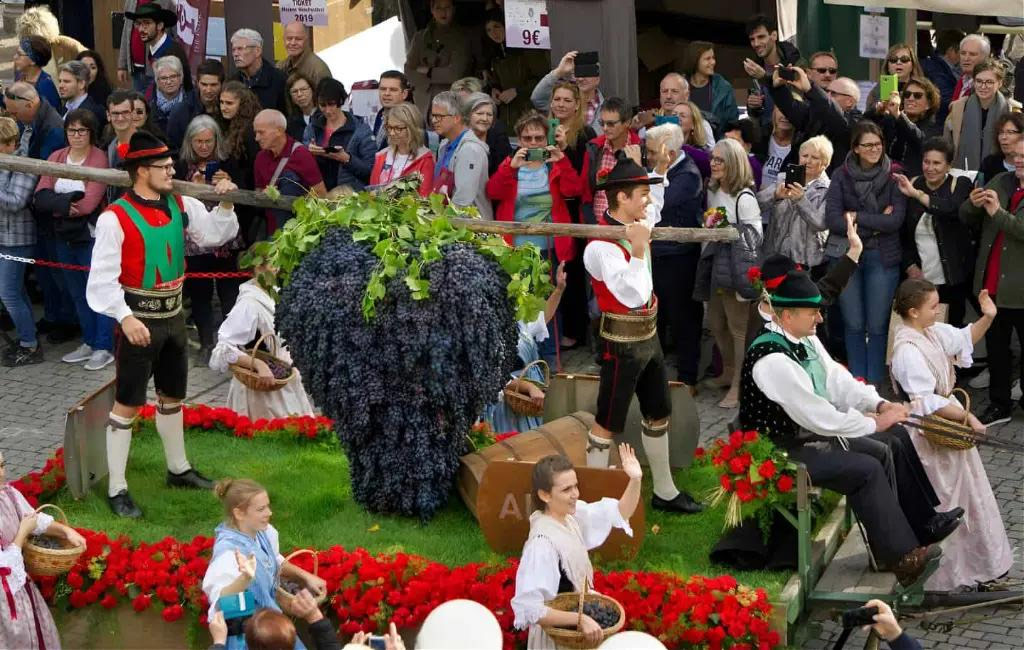
Medieval Harvest Celebrations and Local Wine Culture
After the fall of the Roman Empire, Europe’s wine traditions continued through rural communities, monasteries, and vineyard regions where viticulture remained essential to local life. During the Middle Ages, wine festivals became more closely tied to the grape harvest, turning into communal celebrations at the end of the growing season.
These early harvest festivals were local in nature and often centered on gratitude, abundance, and shared labor. Villagers gathered to celebrate the completion of the harvest with food, music, dancing, and the wines of their region. In many cases, religious blessings were also part of the tradition, reinforcing the connection between wine, land, and seasonal renewal.
Monastic communities played an important role in preserving viticulture across Europe, particularly in regions such as Burgundy, Champagne, and the Rhine Valley. Their stewardship of vineyards and winemaking practices helped maintain the traditions that would later develop into more formalized wine festivals.
How Regional Identity Shaped European Wine Festivals
As wine regions grew in importance, wine festivals began to take on a stronger regional character. These events became more than harvest gatherings. They evolved into expressions of local pride, identity, and economic relevance. Towns and wine-producing areas began using festivals to showcase their wines, customs, food, and hospitality.
This transformation was especially important in Europe, where wine regions were often defined by long histories, distinctive terroirs, and strong cultural traditions. A festival became a way to celebrate not only the year’s harvest, but also the reputation and uniqueness of the region itself.
Over time, many of these events expanded beyond their local communities and started attracting visitors from neighboring regions and, eventually, from other countries. This marked the beginning of wine festivals as travel-worthy cultural experiences.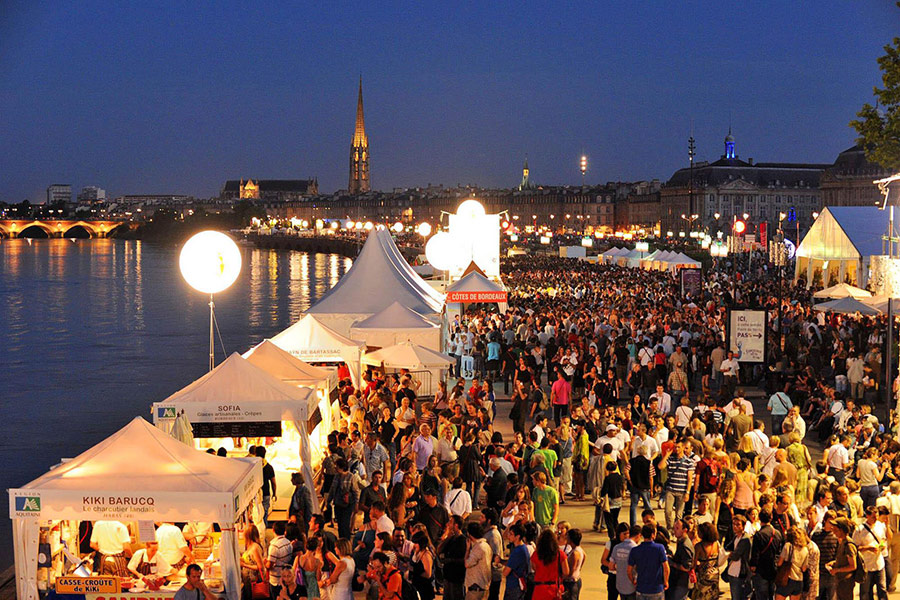
The Transition From Tradition to Wine Tourism
By the 19th and 20th centuries, wine festivals in Europe had evolved into larger public events shaped by tourism, commerce, and regional branding. Improvements in transportation made wine regions more accessible, while growing public interest in gastronomy and travel increased demand for authentic cultural experiences.
As a result, wine festivals became powerful platforms for promoting regional wines and attracting visitors. Some retained their traditional harvest character, while others expanded into more structured celebrations featuring tastings, parades, music, food, and wine-related programming. Europe’s historic wine regions were especially well positioned for this evolution because their festivals already carried centuries of heritage and credibility.
Modern wine tourism in Europe owes much to these earlier traditions. Today’s best-known festivals continue to combine celebration, storytelling, hospitality, and regional identity in ways that feel both historic and current.
Why Europe Remains the Benchmark for Wine Festivals
Europe remains the global benchmark for wine festival culture because its events are rooted in a rare combination of antiquity, agricultural tradition, and regional heritage. In many places, wine festivals are not simply annual attractions. They are living cultural expressions shaped by generations of vineyard work, local customs, and communal celebration.
This depth of history gives European wine festivals a character that is difficult to replicate elsewhere. They are connected not only to wine tasting, but also to place, memory, cuisine, ritual, and identity. That is why Europe continues to define the standard for wine festivals worldwide, from small harvest celebrations to internationally recognized wine events.
Conclusion
Wine festivals began in Europe as ancient religious and agricultural celebrations, later growing into local harvest traditions and eventually into the cultural and tourism-driven events we know today. Their evolution reflects the enduring importance of wine across European history and explains why the continent remains at the heart of global wine festival culture.
Author: Vino Festivals